JACKSON – This spring, Mississippi, along with most of the country, is experiencing a highly unusual drought situation at the beginning of the growing season. Twenty-one Mississippi counties have already been designated as primary disaster areas by the U.S. Department of Agriculture due to the recent drought.
The U.S. Drought Monitor's latest map, dated April 21, was released today and shows the situation has worsened within the state and across the nation.
While all of Tallahatchie County is included in an area defined by the U.S. Drought Monitor as having "Extreme Drought," a section of north central and northeast Tallahatchie County, extreme southeast Quitman County, extreme southwest Panola County and west central Yalobusha County bears the distinction of being the only area of "Exceptional Drought" within the state of Mississippi. This worst of five drought categories means the possibility of "exceptional and widespread crop and pasture losses, exceptional fire risk and shortages of water in reservoirs, streams and wells causing water emergencies." Conditions can vary by specific location.
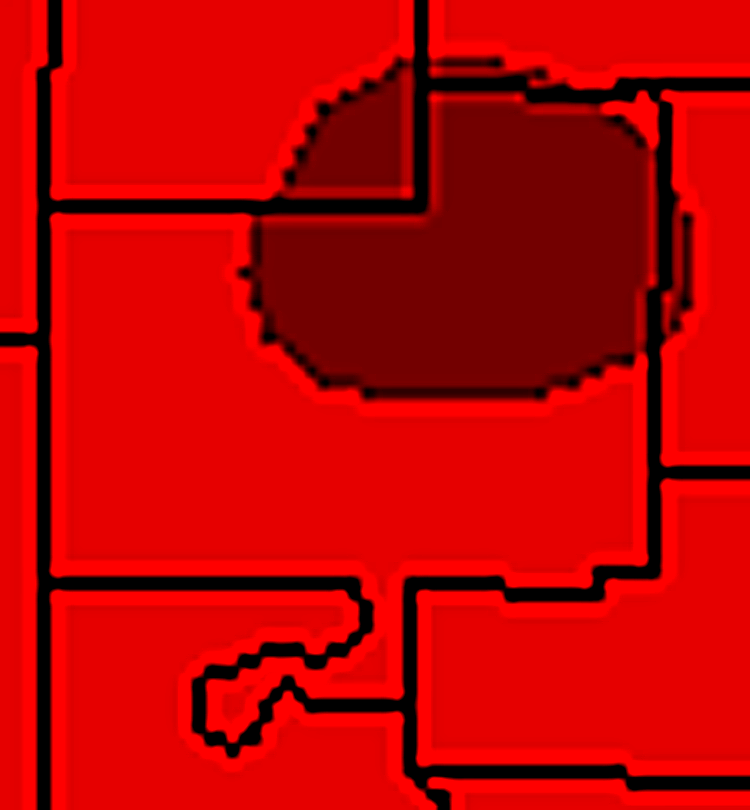 A sizable chunk of Tallahatchie County features an area of "Exceptional Drought," according to the U.S. Drought Monitor.
Mississippi Commissioner of Agriculture and Commerce Andy Gipson encourages farmers to check in with their local federal Farm Service Agency (FSA) office.
“This is a serious national dry weather event we are currently facing,” said Gipson. “And it’s hitting our farmers and producers at a critical time – during the early stages of our growing season here in Mississippi and across the Southeast."
Added Gipson, "According to the U.S. Drought Monitor, common row crops and commodities produced in our state, such as rice, soybeans, cotton, corn and cattle, are being directly affected by moderate to exceptional drought conditions throughout the entire state. For example, approximately 86% of our rice production, 98% of cotton production and 63% of cattle production are within areas experiencing drought nationwide. Specifically in Mississippi, the April 21 map shows nearly half of the state is currently at an extreme drought level.”
Farm operators in the designated primary counties and the counties contiguous to the primary counties are eligible to be considered for FSA emergency loan assistance and possibly other assistance, such as the Livestock Forage Disaster Program, provided eligibility requirements are met. Affected farmers should visit their local FSA county office for further details.
“The current situation also highlights the critical importance of Mississippi’s abundant water resources and the availability of irrigation in many areas in the Mississippi Delta. Now more than ever, we need to support our farmers and thank them for their ongoing efforts to grow our food and fiber across the state,” continued Gipson.
The primary counties named in the April 10, 2026, Secretarial disaster designation include: Adams, Amite, Bolivar, Calhoun, Claiborne, Coahoma, Copiah, Franklin, Greene, Grenada, Jefferson, Lafayette, Leflore, Lincoln, Panola, Perry, Quitman, Sunflower, Tallahatchie, Wilkinson and Yalobusha. Contiguous counties in Mississippi include: Carroll, Chickasaw, Forrest, George, Hinds, Holmes, Humphreys, Jones, Lawrence, Marshall, Montgomery, Pike, Pontotoc, Rankin, Simpson, Stone, Tate, Tunica, Union, Walthall, Warren, Washington, Wayne and Webster.
It is expected that the list of designated disaster areas may grow with the worsening drought situation. Farmers and the public are encouraged to review the status of the nationwide drought and report local drought conditions at https://droughtmonitor.unl.edu/CurrentMap.aspx.
Farmers impacted in these areas can obtain further information from their local FSA offices. Visit www.fsa.usda.gov for more information and to find a FSA office in your area.
Sun-Sentinel Editor and Publisher Clay McFerrin contributed to this story, released by the Mississippi Department of Agriculture and Commerce.